
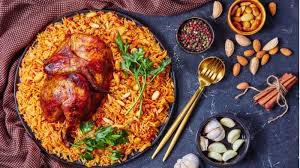
Kabsa is widely recognized as one of Saudi Arabia’s most cherished culinary traditions, celebrated for its fragrant spices, vibrant flavors, and communal preparation. Often considered the national dish of Saudi Arabia, Kabsa is a spiced rice and meat dish that reflects the kingdom’s rich history, diverse regional influences, and cultural emphasis on hospitality and family gatherings. Beyond being a meal, Kabsa embodies the social and ceremonial values that are central to Saudi Arabian culture.
The origins of Kabsa are deeply rooted in the Arabian Peninsula, where the blending of spices, rice, and meat evolved over centuries. Influences from Indian, Persian, and Ottoman culinary traditions contributed to the development of this iconic dish. Traditionally, Kabsa was prepared with lamb, chicken, or goat, and cooked with long-grain rice, a variety of aromatic spices such as cardamom, cinnamon, cloves, and black lime, and sometimes nuts and raisins for added texture and flavor. Over time, the dish became more than sustenance; it evolved into a symbol of celebration, hospitality, and cultural pride.
One of the hallmarks of Kabsa is its intricate and thoughtful preparation. The meat is typically seasoned and cooked slowly to ensure tenderness and rich flavor, while the rice absorbs the essence of the spices, creating a perfectly balanced dish. Some variations include cooking the meat and rice together in a single pot, allowing the flavors to meld seamlessly, while others involve separate preparation methods that highlight specific textures. The careful layering of ingredients and spices demonstrates the artistry and attention to detail inherent in traditional Saudi cuisine.
Culturally, Kabsa holds a central place in Saudi society. It is a dish often reserved for special occasions, family gatherings, religious celebrations, and welcoming honored guests. Preparing Kabsa is usually a communal effort, reflecting the values of togetherness and cooperation that are central to Arabian culture. The dish is frequently served on large communal platters, encouraging shared dining experiences that foster social bonds and highlight the importance of generosity and hospitality. In many households, preparing Kabsa is considered an expression of love and care, as the dish requires time, patience, and expertise to perfect.
Regional variations of Kabsa exist throughout Saudi Arabia, each incorporating local flavors and ingredients. In the eastern regions, seafood Kabsa is popular due to proximity to the Persian Gulf, while in central and western areas, lamb and chicken are more common. Each region may adjust the spice mix slightly or add unique garnishes such as fried almonds, pine nuts, or golden raisins. These variations not only showcase regional diversity but also reinforce the idea that Kabsa is a dish deeply connected to the land, resources, and traditions of Saudi Arabia.
Globally, Kabsa has gained recognition as a representative of Saudi Arabian cuisine. The dish has been introduced to expatriate communities and international restaurants, where it is appreciated for its aromatic flavor profile, hearty nature, and visually appealing presentation. Its combination of fragrant rice, tender meat, and rich spices resonates with a wide audience, making it a popular choice for those seeking an authentic taste of Arabian culture. Kabsa’s international popularity highlights the universality of shared meals and the appeal of culturally rich, flavorful dishes.
In addition to its taste and visual appeal, Kabsa reflects the health-conscious aspects of traditional Arabian cooking. The dish is balanced, combining protein-rich meat with nutritious rice, vegetables, and sometimes dried fruits or nuts. The use of natural spices adds flavor without excessive reliance on fats or artificial additives, emphasizing wholesome ingredients and careful preparation. This nutritional balance, combined with its celebratory nature, makes Kabsa both a practical and indulgent culinary choice.
In conclusion, Kabsa is far more than a traditional Saudi dish; it is a symbol of the country’s history, culture, and culinary artistry. From its origins on the Arabian Peninsula to its status as a national treasure enjoyed around the world, Kabsa embodies the richness, warmth, and hospitality of Saudi culture. Whether served at a family gathering, a festive celebration, or an international restaurant, Kabsa continues to captivate diners with its aromatic spices, tender meat, and vibrant presentation. As both a culinary and cultural icon, Kabsa remains a timeless testament to Saudi Arabia’s rich heritage and its enduring ability to bring people together through the shared joy of food.