
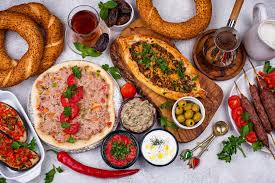
Doner Kebab is one of Turkey’s most iconic and internationally recognized dishes, celebrated for its succulent flavors, versatile presentation, and deep cultural roots. Known for its method of slow-roasting seasoned meat on a vertical rotisserie, Doner Kebab has transcended its status as a street food to become a symbol of Turkish culinary ingenuity and tradition. Its distinct taste and texture, combined with its adaptability, have made it a beloved dish both in Turkey and around the world.
The origins of Doner Kebab can be traced back to the Ottoman Empire, where skilled cooks developed techniques to prepare meat in ways that were both flavorful and practical. The word “doner” derives from the Turkish verb dönmek, meaning “to turn” or “to rotate,” referring to the vertical rotisserie used to cook the meat evenly while retaining its juiciness. Early forms of Doner were primarily prepared for special occasions, served to families and guests with rice, bread, and vegetables. Over time, the dish evolved into a convenient, flavorful street food that could be enjoyed quickly, without sacrificing the complexity of its flavors.
The preparation of Doner Kebab is a careful process that requires skill and precision. Traditionally, lamb or beef is marinated in a mixture of spices, herbs, and yogurt to tenderize the meat and enhance its flavor. The marinated meat is then layered onto a vertical spit and slowly roasted, often over an open flame or electric rotisserie. As the outer layer cooks, it is thinly sliced and served fresh, ensuring a perfect balance of crispy edges and tender interior. This combination of texture and flavor is what gives Doner Kebab its distinctive appeal, making it both comforting and indulgent.
Culturally, Doner Kebab holds significant importance in Turkey. It reflects the country’s rich culinary heritage, blending Middle Eastern, Mediterranean, and Central Asian influences into a harmonious dish. Doner Kebab is not merely a meal; it represents the communal and social aspects of Turkish life. It is commonly served in gatherings, festivals, and family meals, often accompanied by fresh vegetables, flatbreads, yogurt-based sauces, and pickles. The way it is prepared and shared exemplifies Turkish hospitality and the cultural emphasis on food as a medium of connection and celebration.
Regional variations of Doner Kebab throughout Turkey further highlight its versatility and cultural depth. In Istanbul, Doner is typically served with thinly sliced meat, wrapped in flatbread, or plated with rice and salad. In Gaziantep and other southeastern cities, local spices and cooking techniques infuse the meat with unique flavors, creating a distinctive taste that reflects regional culinary identities. These regional differences demonstrate how Doner Kebab embodies both national pride and localized traditions, contributing to its enduring popularity.
Globally, Doner Kebab has become a culinary ambassador for Turkish cuisine. Immigrants and Turkish restaurants have introduced it to Europe, the Middle East, North America, and beyond, where it has been embraced for its convenience, taste, and versatility. In countries like Germany, Doner Kebab has even achieved iconic street food status, becoming a staple in fast-food culture while retaining its traditional roots. Its adaptability allows it to be served as a sandwich, wrap, platter, or salad, making it accessible to a wide range of palates while preserving the essence of Turkish culinary artistry.
The appeal of Doner Kebab also lies in its balance of flavor, nutrition, and simplicity. The meat is rich in protein, the vegetables provide freshness and color, and the combination of spices delivers a satisfying depth of taste. The slow-roasting technique ensures that the meat remains juicy, tender, and aromatic, highlighting the importance of careful preparation and culinary skill in Turkish cooking.
In conclusion, Doner Kebab is far more than a popular street food; it is a symbol of Turkey’s rich culinary history, cultural values, and global influence. From its origins in the Ottoman kitchens to its modern-day status as a worldwide favorite, Doner Kebab exemplifies precision, flavor, and adaptability. Whether enjoyed at a bustling Istanbul street stall, a family gathering, or an international restaurant abroad, Doner Kebab continues to captivate diners with its taste, texture, and cultural resonance. It stands as a timeless testament to Turkey’s culinary ingenuity and its ability to bring people together through food.