
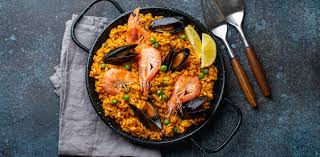
Paella is one of Spain’s most celebrated and culturally defining dishes, renowned for its vibrant colors, rich flavors, and deep connection to the region of Valencia. Often regarded as Spain’s national dish—though Valencians proudly claim it as uniquely theirs—Paella represents the spirit of Spanish cuisine: communal, flavorful, and rooted in centuries of tradition. Its evolution from a humble rural meal to an international culinary symbol reflects Spain’s diverse cultural heritage and its enduring influence on global gastronomy.
The origins of Paella date back to the mid-19th century in the rural areas surrounding Valencia, a region well known for its fertile rice fields. During this period, rice had already become a staple of Valencian agriculture, thanks to the surrounding wetlands and irrigation systems that supported extensive rice cultivation. Farmworkers needed a hearty, accessible meal they could prepare outdoors, and Paella emerged as the perfect solution. Cooked over an open fire in a wide, shallow pan—called a paellera—the dish utilized local and readily available ingredients such as rabbit, chicken, snails, green beans, garlic, tomatoes, and saffron. This early version, now known as Paella Valenciana, remains the most traditional representation of the dish.
The name “Paella” itself derives from the Latin word patella, meaning a shallow pan, and over time came to represent both the dish and the vessel used to cook it. The pan’s shape is essential to achieving Paella’s signature qualities: even heat distribution, a perfectly cooked layer of rice, and the beloved socarrat—the caramelized layer of rice at the bottom that is prized by Paella enthusiasts. The socarrat adds a rich, smoky flavor and a satisfying texture that distinguishes authentic Paella from other rice dishes.
Culturally, Paella is a symbol of community, family, and celebration in Spain. Traditionally cooked outdoors over a wood fire, Paella was intended to be shared. Families, neighbors, and friends would gather around the large pan to enjoy the meal together. Even today, Paella remains a centerpiece of Spanish gatherings, from weekend family lunches to festivals and national celebrations. The act of cooking Paella—stirring the rice, arranging the ingredients, waiting patiently for the flavors to meld—is a ritual that fosters connection and showcases Spain’s emphasis on togetherness.
Spain is home to several regional variations of Paella, each reflecting local ingredients and culinary preferences. In addition to Paella Valenciana, two other popular versions have gained widespread recognition. The first is Seafood Paella (Paella de Marisco), which replaces meats and beans with shrimp, mussels, clams, squid, and other seafood, reflecting the culinary traditions of Spain’s coastal regions. The second is Mixed Paella (Paella Mixta), which combines both meat and seafood, though purists often argue that this style is less traditional. Regardless of variation, the essential element of Paella remains its harmonious blend of rice, saffron, and carefully chosen ingredients.
Beyond Spain’s borders, Paella has become a global culinary icon, celebrated for its bold flavors, festive presentation, and versatility. As Spanish immigrants and travelers introduced the dish to new regions, Paella gained popularity across Europe, the Americas, and Asia. International chefs have embraced Paella as a canvas for creativity, adding local ingredients and innovative techniques while paying tribute to its Valencian roots. However, authentic Paella remains deeply tied to its traditional methods, particularly the use of Bomba or Calasparra rice varieties, which absorb liquid without losing structure, and the importance of achieving the socarrat.
Paella’s global recognition has also been shaped by tourism. Cities like Valencia, Madrid, and Barcelona draw millions of visitors eager to experience Spain’s gastronomy, with Paella standing as a must-try dish. Restaurants across Spain proudly serve their interpretations of Paella, while local families maintain their own treasured recipes passed down through generations. The annual World Paella Day, celebrated on September 20th, further highlights its international appeal, honoring the dish as a symbol of cultural exchange and culinary excellence.
The ingredients used in Paella speak to Spain’s agricultural diversity and culinary history. Saffron, often called “red gold,” gives Paella its distinctive color and aroma and reflects Spain’s long-standing connection to spice trade routes. Olive oil, a cornerstone of Spanish cooking, adds richness and depth, while the combination of vegetables, meats, or seafood demonstrates the regional abundance that defines Spanish cuisine. Together, these elements create a dish that is both simple and refined, rustic yet elegant.
In addition to its culinary appeal, Paella holds symbolic significance. It represents harmony between people and nature, blending locally grown rice with produce, meats, and seafood that define the Spanish landscape. It also symbolizes unity, as the wide paella pan encourages sharing from a communal source—a tradition that fosters hospitality and togetherness. In this way, Paella embodies not only the flavors of Spain but also its values.
Paella stands as one of Spain’s most important cultural and culinary treasures. From its rural origins in Valencian farmlands to its status as a global gastronomic icon, Paella reflects the history, diversity, and spirit of Spain. Whether enjoyed in a seaside restaurant, prepared at a family gathering, or celebrated at an international festival, Paella continues to inspire admiration for its authenticity, vibrancy, and rich heritage. As long as people celebrate good food and shared experiences, Paella will remain a timeless and beloved symbol of Spanish cuisine.