
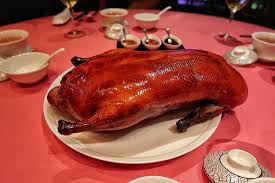
Peking Duck is one of China’s most renowned culinary treasures, celebrated for its crispy golden skin, tender meat, and exquisite presentation. Often considered a symbol of Chinese culinary artistry, Peking Duck reflects centuries of tradition, precision cooking techniques, and cultural significance. It is not merely a dish—it is a culinary experience that has captivated diners both in China and around the world, showcasing the sophistication and richness of Chinese gastronomy.
The origins of Peking Duck date back to the imperial kitchens of the Yuan Dynasty (1271–1368) and later flourished during the Ming Dynasty (1368–1644). Initially prepared for royalty and nobility, the dish was a symbol of status, elegance, and refinement. The traditional method involved raising specially bred ducks, air-drying them, and then roasting them in wood-fired ovens to achieve the signature crispy skin. Over time, Peking Duck became accessible to the public and earned its reputation as a culinary icon, particularly in Beijing, where it is celebrated as a must-try dish for locals and tourists alike.
What sets Peking Duck apart is the meticulous preparation and cooking process. The duck is first seasoned and air-dried, often with a layer of maltose syrup brushed over the skin to ensure it achieves a lacquered, crisp finish. The roasting process is precise, with wood-fired ovens imparting a distinct aroma and flavor. The meat remains succulent and tender, while the skin becomes thin, crisp, and golden brown—a hallmark of a well-prepared Peking Duck. This combination of textures and flavors distinguishes it from other roasted dishes, making it a culinary masterpiece.
Peking Duck is traditionally served in a ceremonial manner that emphasizes both visual appeal and interactive dining. The duck is sliced table-side, allowing diners to appreciate the perfect balance of meat and skin. It is typically accompanied by thin pancakes, spring onions, cucumber, and a sweet bean or hoisin sauce. Diners assemble their own rolls, creating a harmonious combination of flavors and textures in each bite. This presentation and participatory style elevate the dish from mere sustenance to a cultural ritual, reflecting Chinese values of hospitality, shared meals, and culinary artistry.
Culturally, Peking Duck holds a special place in Chinese society. It is often served at banquets, celebrations, and official gatherings, symbolizing abundance, prosperity, and respect for tradition. Its preparation demonstrates a commitment to craftsmanship and attention to detail, qualities highly valued in Chinese culinary philosophy. The dish also reflects regional pride, particularly in Beijing, where it is regarded as a gastronomic emblem of the capital city and a testament to the city’s rich culinary heritage.
Peking Duck’s global popularity has grown significantly over the past century. As Chinese communities and cuisine spread internationally, the dish became synonymous with fine dining and authentic Chinese culinary experience. Restaurants specializing in Peking Duck have opened in major cities worldwide, offering diners an opportunity to experience its unique flavors and traditional preparation methods. While adaptations exist to suit local tastes, the core principles—crispy skin, succulent meat, and careful presentation—remain consistent, preserving the dish’s authenticity and cultural significance.
The preparation of Peking Duck also exemplifies the Chinese approach to food as an art form. Achieving the ideal texture and flavor requires skill, patience, and knowledge passed down through generations. Each stage, from selecting the duck to roasting and serving, is executed with precision, reflecting the importance of balance, harmony, and technique in Chinese cuisine. This dedication to perfection is part of what has allowed Peking Duck to endure as a revered culinary tradition for centuries.
In conclusion, Peking Duck is far more than a famous Chinese roasted dish—it is a symbol of China’s rich culinary history, cultural values, and global influence. From its origins in imperial kitchens to its status as an international gastronomic icon, Peking Duck embodies meticulous craftsmanship, sophisticated flavors, and ceremonial elegance. Whether enjoyed in a historic restaurant in Beijing or a fine dining establishment abroad, Peking Duck continues to captivate diners with its remarkable taste, visual appeal, and cultural resonance. It remains a timeless testament to China’s culinary excellence and its enduring ability to blend tradition with global appreciation.