
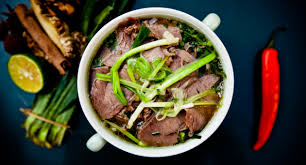
Pho, Vietnam’s iconic noodle soup, is one of the most recognizable and beloved dishes in Southeast Asia and around the world. Its aromatic broth, tender rice noodles, and delicate balance of flavors have made it a symbol of Vietnamese culinary heritage and national identity. More than just a meal, pho reflects the history, culture, and resilience of the Vietnamese people, while offering a comforting and deeply satisfying dining experience that transcends borders.
The origins of pho can be traced back to northern Vietnam in the early 20th century, particularly around Hanoi. It emerged during a period of cultural and culinary blending influenced by both local traditions and French colonial presence. The use of beef, which is central to pho bò (beef pho), is believed to have been popularized by the French, while the rice noodles and the emphasis on herbs and light seasoning reflect indigenous Vietnamese culinary techniques. Traditionally, pho consists of flat rice noodles served in a clear, flavorful broth, accompanied by thinly sliced beef or chicken, fresh herbs like Thai basil and cilantro, bean sprouts, lime, and chili. Each bowl is carefully assembled to create a harmonious combination of textures and tastes.
The heart of pho lies in its broth, which is simmered for hours to extract maximum flavor from beef bones, aromatics, and spices such as star anise, cinnamon, cloves, and cardamom. This slow-cooking process ensures a deeply fragrant and savory liquid that serves as the foundation of the dish. The rice noodles provide a soft and slightly chewy contrast, while the fresh herbs and condiments add brightness, freshness, and subtle layers of complexity. Pho’s balance of warmth, richness, and freshness demonstrates the Vietnamese mastery of flavors, where no single ingredient overpowers the others, resulting in a comforting and nuanced dish.
Culturally, pho holds a special place in Vietnamese life. Traditionally served for breakfast or lunch, it is widely available at street stalls, local markets, and restaurants throughout Vietnam. Eating pho is more than satisfying hunger; it is a communal and social experience, often shared with family or friends. The act of customizing a bowl with herbs, lime, and sauces reflects a participatory dining culture, allowing each person to adjust the dish to their taste while preserving its essential characteristics. Pho is also a dish that evokes nostalgia and national pride for many Vietnamese, reminding them of home, family, and cultural heritage.
Pho’s influence extends beyond Vietnam, making it one of the country’s most successful culinary exports. Its global popularity can be attributed to its flavor, versatility, and adaptability. Vietnamese communities around the world have introduced pho to international diners, often opening specialized restaurants that stay true to traditional recipes while occasionally incorporating local ingredients. From bustling cities in North America and Europe to urban centers across Asia, pho has become a symbol of Vietnamese cuisine, often recommended as a must-try dish for travelers and food enthusiasts. Its international recognition highlights the universal appeal of simple, fresh, and well-balanced flavors.
The preparation of pho also emphasizes skill, patience, and respect for culinary tradition. Simmering the broth requires precision, as too little cooking time results in a weak flavor, while overcooking can lead to bitterness. The noodles must be cooked just right to achieve the perfect texture, and the herbs and garnishes are carefully selected to maintain freshness and balance. This meticulous attention to detail reflects the broader Vietnamese culinary philosophy, which values harmony, craftsmanship, and an appreciation for natural flavors.
Moreover, pho serves as a cultural ambassador for Vietnam, introducing people worldwide to the country’s history, traditions, and gastronomic identity. It embodies the creativity of Vietnamese cuisine, which combines local ingredients, historical influences, and careful techniques to produce something both simple and extraordinary. Pho is not only a meal but a story on a plate, connecting diners to Vietnamese culture, values, and the experience of shared community meals.
In conclusion, pho is far more than just a noodle soup. It represents Vietnam’s rich culinary heritage, historical evolution, and cultural identity. From its origins in northern Vietnam to its status as a global favorite, pho continues to capture hearts and taste buds worldwide. Its harmonious flavors, careful preparation, and cultural significance make it a dish that transcends borders and generations. Whether enjoyed at a street-side stall in Hanoi, a local eatery in Ho Chi Minh City, or a restaurant halfway across the globe, pho stands as a delicious and enduring symbol of Vietnam’s culinary excellence and national pride.