
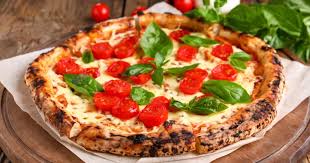
Pizza Margherita stands as one of the most recognizable and culturally significant dishes in Italy, celebrated for its simplicity, authenticity, and deep historical roots. Originating from Naples, this iconic pizza has come to embody the essence of Italian cuisine—fresh ingredients, balanced flavors, and a respect for culinary tradition. Its origins, tied to both local heritage and national symbolism, make Pizza Margherita far more than just a popular dish; it is a culinary icon that has influenced food culture across the globe.
The history of Pizza Margherita dates back to the late 19th century in Naples, a city renowned for its vibrant food culture and centuries-old tradition of pizza making. Although flatbreads topped with herbs or cheese existed long before, the modern pizza took shape in Naples as a food of the working class. Affordable, portable, and flavorful, pizza quickly became a staple for Neapolitans. The dish’s transformation into a national symbol can be traced to an 1889 visit by Queen Margherita of Savoy. According to popular tradition, she sampled three varieties made by the celebrated pizza maker Raffaele Esposito, favoring the one topped with tomatoes, mozzarella, and basil—the colors of the Italian flag. In honor of the queen, Esposito named it “Pizza Margherita,” cementing its status as a patriotic culinary creation.
Central to the identity of Pizza Margherita is its strict adherence to quality and tradition. Authentic Neapolitan Margherita pizza features only a few key ingredients: San Marzano tomatoes grown in the fertile volcanic soil near Mount Vesuvius, fresh mozzarella made from the milk of Campanian water buffaloes, aromatic basil, extra virgin olive oil, and a soft, elastic dough made with just flour, water, salt, and yeast. The dough is hand-stretched, topped lightly, and baked in a wood-fired oven at extremely high temperatures. This method produces the signature characteristics of a true Neapolitan pizza—a charred yet tender crust, balanced acidity from the tomatoes, creamy cheese, and fragrant basil.
The cultural significance of Pizza Margherita in Italy reflects the nation’s culinary philosophy rooted in simplicity and respect for ingredients. While many cuisines rely on complex seasonings or elaborate techniques, the Italian approach emphasizes the natural flavors of fresh, high-quality components. Pizza Margherita exemplifies this principle: its excellence comes not from extravagance but from purity and craftsmanship. It represents the pride Italians place in regional products, traditional methods, and the preservation of authentic flavors passed down through generations.
Neapolitan pizza-making holds such importance that in 2017, UNESCO recognized it as an Intangible Cultural Heritage of Humanity. This acknowledgment celebrates not only the dish itself but also the ritual of preparing it—the skill of shaping the dough, the art of firing the oven, and the cultural significance of pizza as a communal and social food. In Naples, pizzerias remain central gathering places where families, friends, and visitors come together to enjoy the authentic flavors of Italy’s culinary past and present.
Globally, the influence of Pizza Margherita has been profound. As Italian immigrants spread across Europe, the Americas, and beyond, they introduced their culinary traditions to new regions. Over time, pizza became one of the world’s most widely consumed foods, inspiring countless variations and creative interpretations. Despite the diversity of modern pizza styles, from New York thin crust to Chicago deep dish, Pizza Margherita remains the quintessential expression of Italian pizza tradition. Its straightforward composition serves as a benchmark of authenticity and quality for pizzerias around the world.
In many countries, chefs and restaurateurs strive to replicate the original Neapolitan style, importing San Marzano tomatoes, buffalo mozzarella, and even wood-fired ovens to stay true to the dish’s roots. The establishment of international pizza associations, such as the Associazione Verace Pizza Napoletana (AVPN), demonstrates the global commitment to preserving the integrity of the Margherita and educating chefs on traditional methods. This global embrace highlights the pizza’s enduring appeal and its role as a culinary ambassador for Italy.
Beyond its technical aspects, Pizza Margherita carries emotional and cultural meaning for Italians and global enthusiasts alike. It symbolizes comfort, heritage, and celebration. Whether enjoyed in a centuries-old Neapolitan pizzeria, a modern Italian restaurant, or a street-side café halfway across the world, the experience of eating a Margherita connects people to the history and essence of Italian culture.
Pizza Margherita is much more than a dish—it is a timeless symbol of Italian identity, culinary philosophy, and cultural pride. From its origins in the vibrant streets of Naples to its status as a global culinary icon, it continues to inspire admiration for its simplicity, authenticity, and craftsmanship. As long as people appreciate the harmony of tomatoes, mozzarella, basil, and expertly baked dough, Pizza Margherita will remain a beloved representation of Italy’s rich gastronomic heritage.