
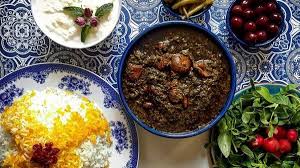
Ghormeh Sabzi is one of the most beloved and culturally significant dishes in Iran, cherished for its aromatic blend of herbs, hearty ingredients, and deeply comforting flavor. Often referred to as the national dish of Iran, Ghormeh Sabzi is far more than a traditional stew—it embodies the essence of Persian culinary heritage, reflecting centuries of history, regional influences, and cultural practices. Its rich flavors and meticulous preparation have earned it a special place in Iranian homes, celebrations, and culinary identity.
The origins of Ghormeh Sabzi date back to ancient Persia, where herbs and fresh greens played a crucial role in everyday cuisine. Persian cooking traditions historically emphasized the use of aromatic herbs, combining them with legumes, meat, and spices to create balanced, nutritious dishes. Over time, Ghormeh Sabzi evolved into the iconic stew enjoyed today, grounded in the classical Persian approach of harmonizing flavors and achieving depth through slow cooking. The dish showcases Iran’s agricultural abundance and the long-standing cultural appreciation of herbs such as parsley, cilantro, fenugreek, and scallions.
At the heart of Ghormeh Sabzi is its unique combination of herbs, slow-cooked with tender lamb or beef, red kidney beans, and dried limes known as limoo amani. These dried limes are essential to the dish’s distinct flavor profile, providing a tangy, slightly smoky aroma that complements the earthiness of the herbs. The stew is simmered for several hours, allowing the flavors to meld into a rich, dark, fragrant mixture that is traditionally served over Persian saffron basmati rice. The result is a comforting, hearty dish that showcases the depth and sophistication of Persian cuisine.
Culturally, Ghormeh Sabzi holds a special significance in Iranian society. It is often associated with family gatherings, cultural celebrations, and important social events. The dish is commonly prepared for Nowruz—the Persian New Year—and other festive occasions, symbolizing renewal, abundance, and tradition. Many Iranians consider Ghormeh Sabzi a dish that connects generations, as recipes are typically passed down through families, each with subtle variations in preparation, herb combinations, or cooking techniques. This intergenerational transmission reinforces the role of Ghormeh Sabzi as a culinary symbol of Iranian identity.
The communal aspect of preparing Ghormeh Sabzi also reflects Iranian cultural values. Washing, chopping, and frying the herbs—a labor-intensive part of the process—is often done with the help of family members. This shared effort strengthens social bonds and emphasizes the importance of collaboration and hospitality in Persian culture. The dish’s slow-cooking nature also mirrors the Iranian culinary philosophy of patience, care, and attention to detail, highlighting the craftsmanship involved in achieving the perfect balance of flavors.
Regional variations of Ghormeh Sabzi can be found across Iran, each adding a unique touch while maintaining the essence of the dish. Some regions use black-eyed peas instead of kidney beans, while others incorporate slightly different herb ratios or spice combinations to suit local tastes. Despite these variations, the fundamental components—herbs, beans, meat, and dried limes—remain consistent, preserving the dish’s identity and cultural resonance. This ability to adapt while maintaining authenticity is one of the reasons Ghormeh Sabzi continues to be celebrated across generations and regions.
Globally, Ghormeh Sabzi has gained recognition as a representative of Persian cuisine. As Iranian communities around the world share their culinary traditions, the dish has attracted the attention of food enthusiasts, chefs, and cultural explorers. Its complex flavor profile, nourishing ingredients, and traditional cooking methods make it a standout example of Middle Eastern gastronomy. Many international restaurants specializing in Persian or Middle Eastern food feature Ghormeh Sabzi as a signature offering, introducing new audiences to its distinctive and memorable taste.
Ghormeh Sabzi’s appeal lies not only in its flavor but also in its symbolism. It represents the connection between people, land, and history. The use of herbs reflects Iran’s agricultural heritage, while the stew’s depth of flavor embodies the Persian emphasis on culinary balance and harmony. Moreover, the dish conveys a sense of comfort, nostalgia, and home, making it especially meaningful for Iranians living abroad.
Ghormeh Sabzi is far more than an herb stew—it is a cultural treasure that captures the richness of Iranian history, tradition, and culinary artistry. From its origins in ancient Persia to its role in modern Iranian households and international cuisine, the dish stands as a testament to the enduring legacy of Persian cooking. Whether served at a festive gathering, a family dinner, or an international restaurant, Ghormeh Sabzi continues to delight, comfort, and connect people across generations and borders. Its timeless flavors and cultural depth ensure its place as one of Iran’s most iconic and beloved dishes.