
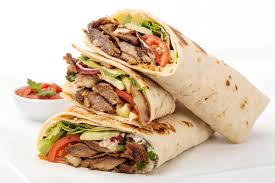
Shawarma is one of the most beloved and widely recognized dishes in the United Arab Emirates (UAE), celebrated for its tender rotisserie-cooked meat, bold spices, and satisfying flavor. Although Shawarma has origins in the Levant region, it has become deeply embedded in the UAE’s culinary identity, symbolizing the country’s cultural diversity, dynamic food scene, and rich heritage. Today, Shawarma stands as a national favorite, enjoyed by residents, expatriates, and tourists alike, and remains a staple of Emirati street food culture.
The history of Shawarma can be traced back to the Ottoman Empire, where early versions of rotisserie-cooked meat eventually evolved into what we now recognize as Shawarma. As trade routes and cultural exchanges expanded across the Middle East, Shawarma spread throughout the region, each country adopting its own style and influences. In the UAE, Shawarma gained popularity during the mid-20th century, particularly as urban development and multicultural communities flourished. The dish quickly became a part of everyday life, appreciated for its convenience, affordability, and delicious flavor.
At its core, Shawarma is a celebration of technique and seasoning. The meat—commonly chicken, beef, lamb, or a combination—is marinated in a blend of spices such as cumin, turmeric, cinnamon, paprika, cardamom, garlic, and vinegar. This marinade infuses the meat with depth and aroma before it is stacked onto a vertical rotisserie, where it cooks slowly as it rotates. As the outer layers roast, they are sliced thinly and served immediately, ensuring a perfect balance of crispy edges and juicy interior. This method of preparation is essential to Shawarma’s distinctive texture and flavor, making it a favorite among food enthusiasts.
Culturally, Shawarma holds a special place in Emirati society. It reflects the UAE’s identity as a vibrant, multicultural nation where global traditions blend seamlessly with local customs. Shawarma is often enjoyed as a quick street-side snack, a family meal, or a late-night comfort food. Small Shawarma stands can be found in every Emirati city—from Dubai’s bustling neighborhoods to quiet coastal towns—each offering unique interpretations of the dish. This accessibility and consistency make Shawarma an integral part of daily life, bridging communities through a shared culinary experience.
The way Shawarma is served in the UAE also contributes to its cultural significance. It is typically wrapped in freshly baked Arabic bread or pita and accompanied by garlic sauce, tahini, pickles, lettuce, tomatoes, and sometimes fries. Chicken Shawarma is especially popular, often paired with creamy toum, while meat Shawarma is commonly served with tahini-based sauces. These accompaniments enhance the dish’s flavor profile, creating a perfect balance of tangy, savory, and fresh elements in every bite. Shawarma platters, featuring rice, salads, and freshly baked bread, are also enjoyed in homes and restaurants, offering a more elaborate version of the beloved street food.
The global popularity of Shawarma has grown significantly, boosted in part by the influence of the UAE’s international food culture. As millions of expatriates and visitors experience Shawarma in the UAE and carry their memories of the dish back home, it has become a worldwide culinary phenomenon. Restaurants specializing in Middle Eastern cuisine have brought Shawarma to Europe, Asia, North America, and beyond, where it is celebrated for its bold flavors and versatility. Variations such as Shawarma bowls, Shawarma tacos, and fusion wraps have emerged, demonstrating the dish’s adaptability while maintaining its cultural roots.
Shawarma’s widespread appeal also lies in its ability to represent the UAE’s dynamic culinary landscape. The UAE is home to people from over 200 nationalities, and Shawarma embodies this cultural blending. Its universal flavor profile allows it to resonate across cultures, while its Middle Eastern heritage preserves authenticity and tradition. This balance of familiarity and cultural richness has made Shawarma a defining element of the UAE’s identity, both at home and abroad.
In addition to its taste, Shawarma carries social significance. Sharing Shawarma with friends and family—whether during a casual outing or a festive gathering—reinforces the importance of hospitality in Emirati culture. It is a dish enjoyed across generations and social groups, symbolizing unity, comfort, and the joy of communal dining. Shawarma’s presence at celebrations, events, and everyday meals highlights its role not only as food but as a cultural connector.
In conclusion, Shawarma is far more than a popular street food in the United Arab Emirates—it is a symbol of the nation’s cultural diversity, culinary creativity, and deep-rooted traditions. From its historical origins in the Levant to its modern-day status as an Emirati favorite, Shawarma continues to captivate diners with its flavorful spices, tender meat, and comforting appeal. Whether enjoyed from a busy street vendor in Dubai, a family restaurant in Sharjah, or an international eatery abroad, Shawarma remains a timeless testament to Middle Eastern culinary excellence and the UAE’s enduring hospitality.